






Care products for guinea pigs: the basics for every day
Caring for guinea pigs is all about a fixed daily routine. Fresh hay in the rack every day, a measured portion of guinea pig food with vitamin C, fresh vegetables and clean water. On top of that comes a weekly check, and now and then a trip to the vet. With the right equipment that becomes easier, and the enclosure stays clean and well organised. You also notice more quickly when something changes, and that matters with guinea pigs: they often only show illness at a late stage.
In this category you will find everything for that daily care: food bowls, water bottles, hay racks, grooming products and transport boxes. The equipment is the toolkit; what goes into it is just as important. For our own guinea pigs in the shop and breeding facility we fill them with Zooply hay and Zooply Guinea Pig Food, our own premium brand. Zooply came about because the products that worked best for our own animals were not always available from other brands.
In short
- ✓ Unlimited hay in a hay rack, fresh every day: the basis of the guinea pig menu.
- ✓ Vitamin C every day through guinea pig food and fresh vegetables; guinea pigs cannot make it themselves.
- ✓ Heavy food bowls and a properly working water bottle, with enough spots for the whole group.
- ✓ Check nails, coat, weight and teeth every week.
- ✓ Keep a transport box at home for when you need to get to the vet quickly.
What will you find in the Care & Grooming category?
Food bowls
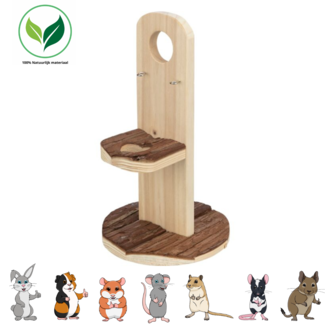
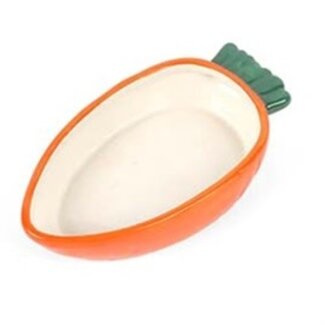
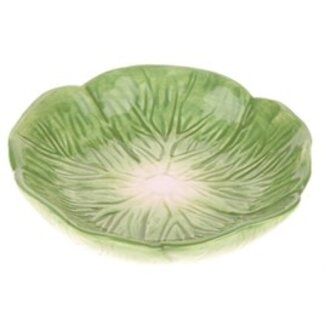
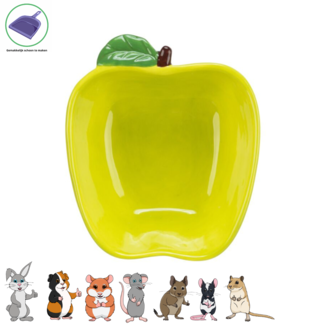
In Food bowls you will find heavy ceramic bowls from Flamingo, Trixie, Happy Pet and De Boon, from 100 to 600 ml, and wooden feeding spots such as the Trixie feeding board and a picnic table. A heavy bowl stays put when a guinea pig stands on it with its front feet. Preferably use one bowl for the pellets and a separate bowl for vegetables, and with a group make sure there is one feeding spot per guinea pig.
Water bottles
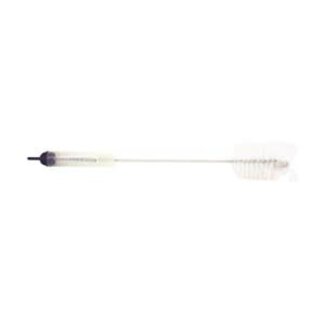
In Water bottles you will find glass and plastic drinking bottles, a bark wood holder, coolers for warm days and a cleaning brush. For guinea pigs, bottles of 320 ml and larger are the right size. Guinea pigs often drink with food in their mouths, so the spout gets blocked more quickly; that is why you should check every day that water comes out.
Hay racks
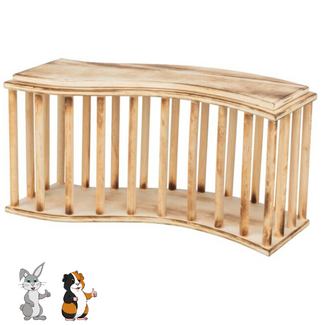
In Hay racks you will find low standing racks with a lid, hanging racks and houses with a built-in hay rack. Guinea pigs hardly climb and prefer to eat with all four feet on the ground. A low rack that keeps the hay clean and dry means they eat more of it.
Health
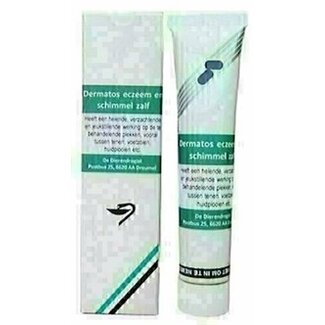
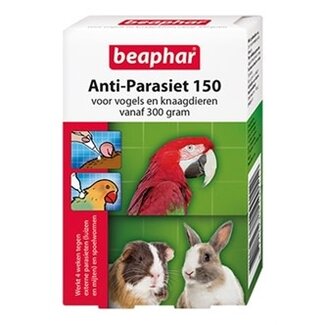
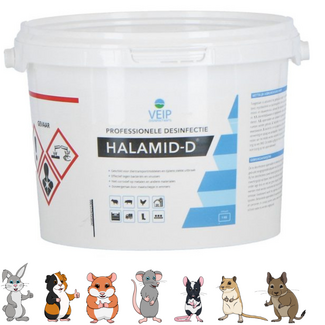
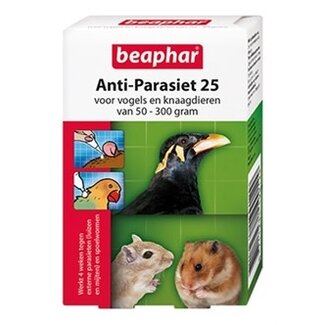
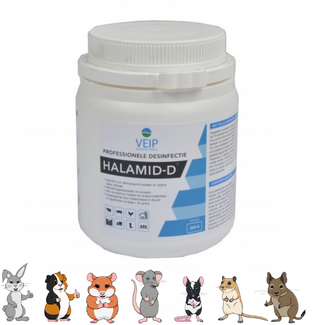
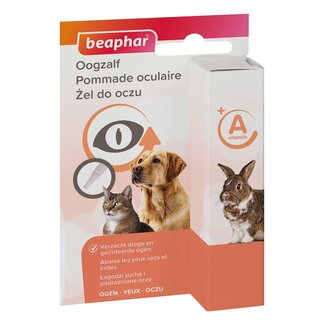
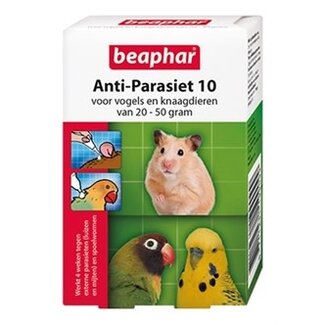
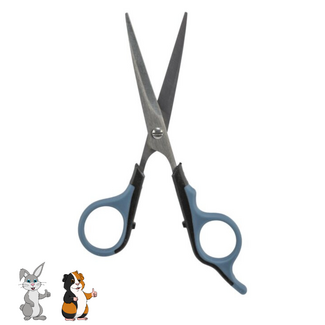
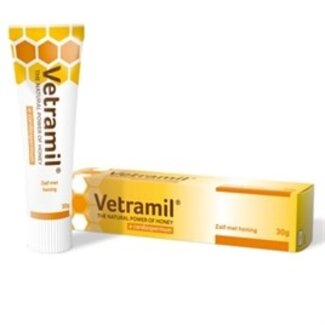
In Health you will find nail clippers, a brush and coat scissors, ceramic cooling plates, ointments, a treatment against parasites and disinfectant for the enclosure. These products help with daily and weekly care. They never replace a vet.
Transport boxes
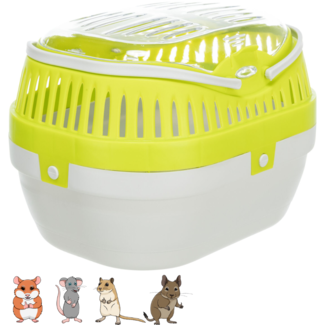
In Transport boxes you will find compact carriers, roomy travel baskets and a carry bag. A box that opens from the top makes lifting a guinea pig in and out a lot calmer.
A fixed daily routine
Guinea pigs love regularity. A fixed order helps you not to forget anything and gives your guinea pigs peace of mind. Start the day with the hay rack: old, flattened hay out, fresh hay in. Rinse the food bowls and give the portion of guinea pig food and fresh vegetables. Refresh the water and press the ball of the water bottle briefly to see whether water comes out. Remove wet patches from the bedding.
During that routine, take a moment to look at your guinea pigs. Do they come forward when you bring the hay or the vegetables? Are they eating normally? Are there enough droppings, and do they look normal? It takes a minute and it is the best way to spot problems early. A guinea pig that does not come to its food is almost always a reason to take a closer look.
Vitamin C: needed every day
Like humans, guinea pigs cannot make vitamin C themselves. So they have to get it from their food every day. You do that with a guinea pig food with added vitamin C, such as Zooply Guinea Pig Food, and with fresh vegetables that are rich in vitamin C, such as bell pepper. According to the label of Zooply Guinea Pig Food, you give roughly 25 to 30 grams per kilo of body weight per day, alongside unlimited hay. We advise against vitamin C in the drinking water: you then do not know how much your guinea pig is really getting.
Weekly check
Once a week, calmly take your guinea pig on your lap. Weigh it on a kitchen scale and write down the weight; weight loss is often the first sign of a problem. Look at the eyes, ears, nose and front teeth. Feel over the body for lumps, scabs or bald patches. Check the soles of the feet and the nails, and trim the nails if they get too long. Brush long-haired guinea pigs more often and keep the fur around the rear trimmed short.
Also use this moment to check the equipment. Is the food bowl still intact, without cracks? Is the water bottle hanging properly? Is the hay rack sturdy and free of sharp edges? Replace anything that is damaged.
Equipment for a group
Guinea pigs live in groups, and every group has a pecking order. It is most visible at feeding and drinking time. A dominant guinea pig stands in the food bowl or occupies the only hay spot, while a calmer animal waits. So always count your care products for the whole group. With two guinea pigs, give two small pellet bowls and a larger vegetable bowl, and with three or more guinea pigs put two hay racks and two drinking spots in different places in the enclosure. That way everyone can eat and drink in peace, and you can see better whether each guinea pig is getting enough.
Hygiene without strong smells
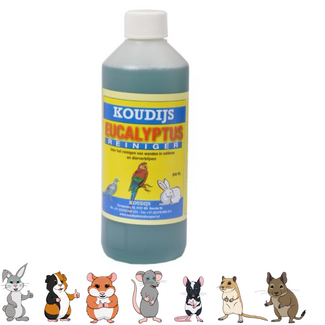
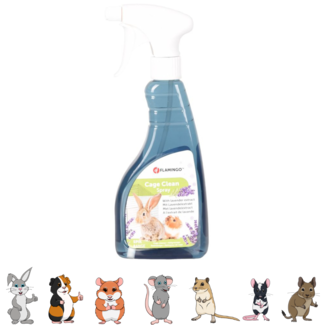
Guinea pigs have a keen sense of smell. They sometimes ignore a food bowl or water bottle that smells of cleaning products. So clean most items with warm water and a brush, and rinse thoroughly. Only use a disinfectant when it is needed, for example after an illness in the group, and then follow the instructions on the packaging.
Warm weather and cold
Guinea pigs cope badly with heat. Above roughly 25 °C you need to be careful. Move the enclosure out of the sun, give extra water and more fresh vegetables for moisture, and put down a cooling plate. A cooler around the water bottle keeps the water fresher. In winter, for guinea pigs that live outdoors, watch out for frozen water bottles, damp and draughts. Guinea pigs cannot cope with frost and should then be kept in a frost-free place or indoors.
Always ready for the vet
If a guinea pig is not eating, losing weight, lethargic, or has diarrhoea or difficulty breathing, go straight to a vet with guinea pig experience. At that point you do not want to have to look for a box. Keep a transport box ready in a fixed place and, when you leave, put a layer of bedding and a handful of Zooply hay in it. Preferably take a familiar companion from the group along in the box; that often gives more calm.
Useful combinations
Care products only work well with the right food and a good enclosure:
- Hay: Zooply hay to fill the hay rack every day.
- Guinea pig food: Zooply Guinea Pig Food with vitamin C for the food bowl.
- Dried herbs: a pinch of Zooply herbs through the hay for variety.
- Bedding: a dry, absorbent floor under the food and hay spot.
- Indoor cages: a roomy enclosure in which you can arrange everything well.
Frequently asked questions about care products for guinea pigs
What do I need at a minimum if I get guinea pigs?
A roomy enclosure with bedding, at least one hiding place per guinea pig, a hay rack, heavy food bowls, a water bottle and a transport box. On top of that, unlimited hay, a guinea pig food with vitamin C and fresh vegetables every day. Nail clippers and a kitchen scale complete the weekly check. Always keep guinea pigs in at least a pair, so count the equipment for the whole group.
How many food bowls and water bottles do I need for two guinea pigs?
With two guinea pigs, two small food bowls for the pellets and a larger bowl for vegetables work best. For water, one good bottle of 320 ml or larger is enough, but a second drinking spot is sensible as a backup and on warm days. That way no guinea pig has to wait.
How often should I clean food bowls, bottles and the hay rack?
Rinse the food bowls daily; wash the vegetable bowl every day. Refresh the water bottle daily and clean it thoroughly with a bottle brush at least once a week. Empty the hay rack completely on a regular basis and sweep it out. Rinse everything thoroughly so no smell of cleaning product is left behind.
How do I know if my guinea pig is healthy?
A healthy guinea pig is alert, eats well, regularly produces normal droppings, has clear eyes and a shiny coat, and stays at a stable weight. Weigh your guinea pig every week. If it is not eating, losing weight or lethargic, contact a vet with guinea pig experience straight away.
Do I really need a transport box?
Yes. Even if you rarely go out with your guinea pigs, in an emergency you want to be able to get to the vet safely right away. A cardboard box gets wet, is poorly ventilated and guinea pigs chew through it. A proper transport box is safer and calmer for your guinea pig.
Care products for guinea pigs at Knaagplaza
At Knaagplaza, the webshop of 't Knaagplein, you will find the care products you use every day with your guinea pigs. Combine them with Zooply hay and Zooply Guinea Pig Food, our own premium brand that we use every day for our own guinea pigs. That way you set up a clean, complete foundation for your group every day.