








Mouse scaping: furnishing the mouse enclosure like a piece of nature
With mouse scaping, you furnish the enclosure like a small landscape. With a thick floor layer, cork, branches, moss, leaves and hidden food, you create an environment in which your mice can dig, climb, hide and forage, just like in the wild. It looks lovely, but the most important thing is what it does for your mice: they have more to discover, more safe routes and more to keep them busy.
In this category you will find everything to build a scape. The foundation is formed by the Zooply scatter mixes and Zooply moss, from our own brand that we use every day for our own animals. You will also find natural materials such as pine cones, coconut, cork, grapevine wood and palm leaves, and hideaways that fit beautifully into a natural enclosure.
In short
- ✓ Start with a thick layer of low-dust bedding; you build the rest of the scape in it.
- ✓ Only use safe, untreated natural materials that your mice are allowed to gnaw.
- ✓ Create routes with cover: from hideaway to feeding spot and from tunnel to climbing branch.
- ✓ Scatter Zooply scatter herbs and forest mix in small handfuls; count seeds, nuts and fruit as an extra.
- ✓ Clean in sections, so your mice's familiar scent remains.
What will you find in the Mouse scaping category?
Zooply Scatter Herbs and Scatter Flowers
Zooply Scatter Herbs (250 grams) are foraging mixes of leaves and flowers with various seeds. You can choose from Scatter Herbs with seeds, with nuts, with millet, with fruit or with peas. According to the product information, the mixes with seeds and nuts contain apple and birch leaves, among other things. Zooply Scatter Flowers (200 grams) are colourful flower mixes with lucerne and sunflower seeds, with lucerne and seeds, with peas and seeds, with sunflower seeds and seeds, or with various seeds. You scatter a small handful over the bedding and mix it in lightly. The seeds sink down between the bedding, so your mice really have to search.
Zooply Forest Mix
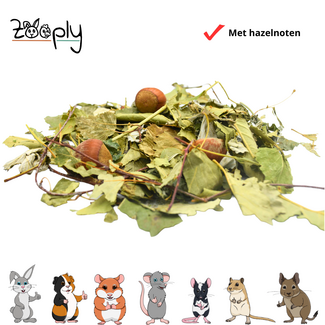
Zooply Forest Mix gives the enclosure a natural woodland look. You can choose from Forest Mix with various leaves (100 grams), with leaves and walnuts (100 grams), with leaves and hazelnuts (100 grams), with leaves and nuts (250 grams) or with leaves and seeds (250 grams). The leaves form a calm top layer that your mice can walk under and through. You put the nuts and seeds partly in view and partly hide them under the leaves.
Zooply Stone Moss and Rodent Moss
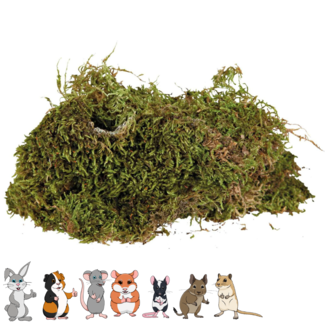
Zooply Stone Moss (75 grams) and Zooply Rodent Moss (250 grams) are dried moss for small rodents. You use it as an accent between the bedding, along edges, tunnels and cork. According to the product information, your mice may nibble on it. Moss creates sheltered paths, and mice simply prefer to walk along edges and under cover.
Zooply Millet Spray Pieces
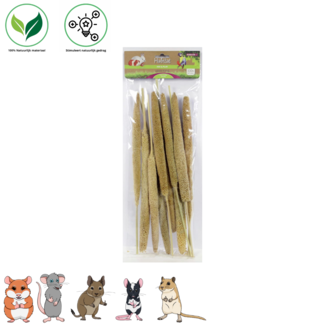
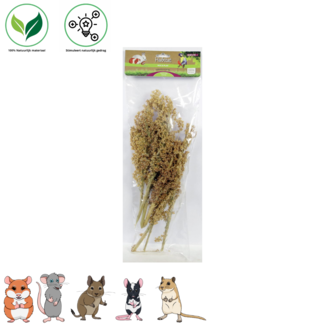
The Zooply millet sticks (125 grams) are short pieces of spray with the seeds still attached. You push them upright into the bedding or put them between the moss. Your mice gnaw the seeds off themselves. Give them as an extra alongside the regular mouse food.
Natural decoration and chewing material
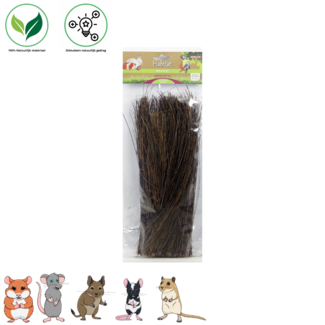
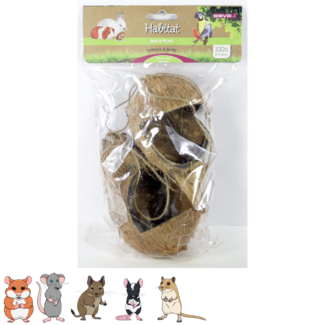
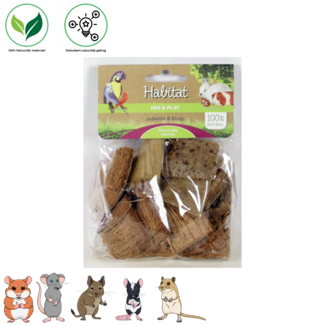
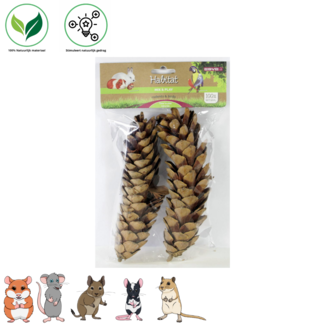
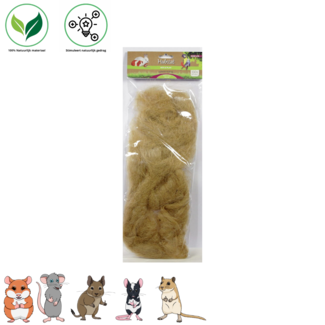
From Esve you will find pine cones (including large and Australian ones), nut shells, corn herb, Babla plants, reed sticks, coconut pieces, palm bark, palm fibres, jute fibres, silk cotton and cotton shells. From Back Zoo Nature there are branch moss, palm leaves, palm grass, tree leaves and the 10-litre Discovery topping: a mix of corn leaf, moss and pine cones that you scatter as a top layer on the bedding. Trixie supplies natural moss (200 grams).
Hideaways, climbing material and bowls
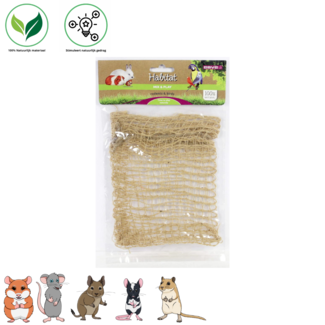
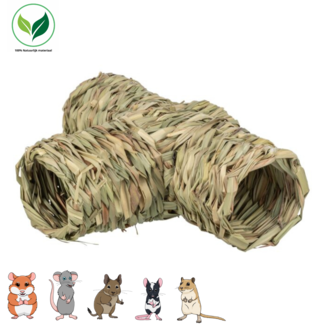
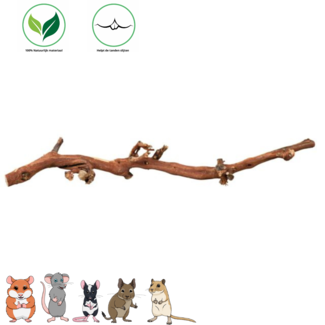
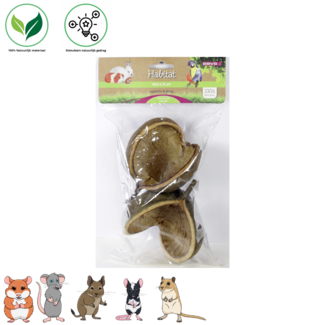
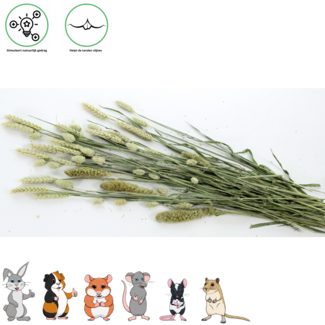
For places to hide and climb, you will find the Trixie cork tunnels, grapevine branches and the grass tunnel with three entrances, the Happy Pet coconut with hole, and from Esve the coconut house, the open coconuts, the Buddha nuts, a bamboo ladder, a jute net and a banana fibre rope. You use the Gigan Garden & Deco glass bowls on a base of Gamal root or trunk as a digging box, sand bath or food bowl. You will also see the Esve Pet Bouquets here, bunches of grains, grasses, herbs and flowers: you place these in a scape as edible decoration.
How to build a mouse scape
1. A deep floor
Mice love to dig tunnels and nests underground. So start with a generous layer of low-dust bedding. Mix some hay or nesting material through it, so dug tunnels hold their shape better. Feel free to create differences in height: a high digging mound in one corner, a lower part by the feeding spot.
2. Hideaways and routes
Place a few hideaways spread across the enclosure, such as a coconut, a cork tunnel and a house. Connect them with tunnels, branches and moss, so your mice can get from place to place without crossing an open plain. Work mainly along the walls, because that is where mice prefer to walk.
3. Climbing
Mice are good climbers. A grapevine branch or bamboo ladder up to a platform makes the enclosure taller and more interesting. Make sure there is a soft floor under anything that is high up.
4. The top layer
Finish the scape with moss, leaves and a handful of scatter herbs or scatter flowers. That adds colour and scent, and every time you scatter something new, your mice go exploring.
Safe materials
Everything in a mouse enclosure gets gnawed. So only use natural, untreated materials intended for rodents. Branches and leaves from your own garden may contain fungi, droppings from wild animals or pesticides. That is why it is best to use products you buy for this purpose.
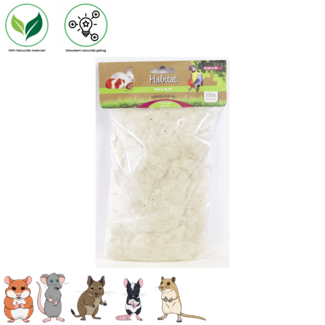
Pay extra attention to long, thin fibres and rope. Threads can wrap around a little leg and cut off the circulation. Use fibre material such as jute and palm fibres in small amounts and check regularly that no long threads end up in the nest. Check a jute net or banana fibre rope for fraying and loops. Cotton wool or synthetic nesting fluff doesn't belong in a mouse enclosure.
Food in the scape: how much is enough?
The scatter mixes and the forest mix with nuts are intended for foraging, not as the main food. The foundation remains a good mouse food, such as Zooply Mouse Food, with some protein now and then and a small amount of vegetables. Mixes with nuts, sunflower seeds or fruit are tastier and fattier or sweeter than ordinary seeds. Mice quickly become overweight, so scatter small handfuls of those. A good approach is to scatter part of the daily portion of mouse food through the scape and use the scatter mix as an extra flavour.
Mice like to build up a stash in their nest. Only add new scatter mix once the previous portion has been properly found and eaten. That way you prevent food from spoiling in the bedding.
Cleaning without taking the scape apart
You don't need to empty a scaped enclosure completely every week. Mice mark their surroundings with urine and get stressed if their familiar scent disappears all at once. So regularly remove wet and dirty spots, especially in the regular wee corner, and top up with fresh bedding. Change the rest in sections. Simply replace moss and leaves that become dirty or musty. If the whole enclosure smells sharply of ammonia, it is time for a bigger clean-out; even then, leave part of the old dry material and the nest in place.
Useful combinations
A mouse scape consists of more than decoration. These categories go with it:
- Bedding: Zooply Hemp Fibre, Cotton Fibre or Cardboard Shreds as a deep, diggable foundation.
- Dried flowers & grasses: even more Zooply flowers and grasses for colour and foraging fun.
- Nesting material: Zooply Nesting Material to mix through the bedding and build nests with.
- Tunnels: cork, willow and bark wood tunnels for routes with cover.
- Food for Mice: Zooply Mouse Food, part of which you scatter through the scape.
Frequently asked questions about mouse scaping
Do I need a large enclosure for mouse scaping?
A roomy enclosure with a deep base makes it a lot easier, because you can fit a deep floor layer without everything being thrown out. You can also scape in a smaller enclosure, but then with fewer layers and more focus on climbing and a good digging corner.
Can I give the scatter mixes every day?
According to the product information, you can use the scatter herbs and scatter flowers often, as foraging fun and not as the main food. With mice, we stick to a small handful and alternate between the mixes. If you notice your mice mainly searching for the seeds and nuts and leaving their regular food, scatter less or choose a mix with mainly leaves and flowers, such as the Forest Mix with various leaves.
Are pine cones and leaves safe for mice?
The pine cones, leaves and moss in this category are intended for rodent enclosures and may be gnawed. It is better not to use material from the woods or your own garden, because you don't know whether it carries mould, pesticides or droppings from wild animals.
My mice turn the whole scape upside down. Is that a problem?
No, that's all part of it. Mice constantly rearrange their enclosure: they drag moss to their nest, dig new tunnels and hide food. That is exactly the natural behaviour you want to encourage with scaping. Let them get on with it and only top up what has run out.
How often should I renew a scape?
There is no fixed rhythm. Refresh dirty spots regularly and renew the top layer of moss, leaves and scatter mix when it is finished, dirty or musty. Only do a big makeover when it is really necessary, and then preferably in sections.
Mouse scaping at Knaagplaza
At Knaagplaza, the webshop of 't Knaagplein, you will find everything for a naturally furnished mouse enclosure. Finish your scape with the scatter mixes, the forest mix and the moss from Zooply, our own premium brand that we use every day for our own animals in the shop and at our breeding facility. That way you create an enclosure in which your mice can truly be mice.