









Accessories for guinea pigs: an enclosure where they feel safe
A guinea pig is a prey animal. At every unexpected sound or quick movement, it darts off for cover. An enclosure without hiding places feels like an open field to a guinea pig: it stays still in a corner, gets frightened more often and eats less calmly. With the right accessories, that changes. Guinea pigs with enough hideouts and tunnels dare to explore more, eat more calmly and get used to their owner more quickly.
In this category you will find hideouts, tunnels, beds and toys. Together they turn a cage into a home: hiding places to rest, routes to walk safely from place to place, a soft place to lie down and enrichment to forage and nibble. Put some Zooply hay, our own premium brand, by every hiding place, and now and then hide a pinch of Zooply herbs in the toys. That way you combine furnishing the enclosure with the daily basics.
At a glance
- ✓ Provide at least one hiding place per guinea pig, and preferably one extra.
- ✓ Choose hideouts and tunnels with two exits, so a guinea pig never gets trapped.
- ✓ Place hiding places along the walls and keep the middle free for walking.
- ✓ Toys for guinea pigs are all about foraging, sniffing and nibbling.
- ✓ Check accessories regularly and replace anything that has been gnawed to pieces.
What will you find in the Accessories category?
Hideouts
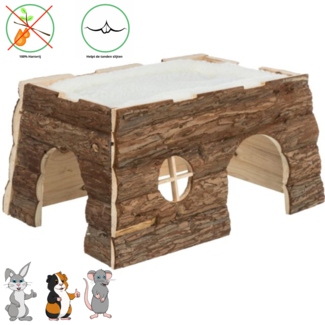
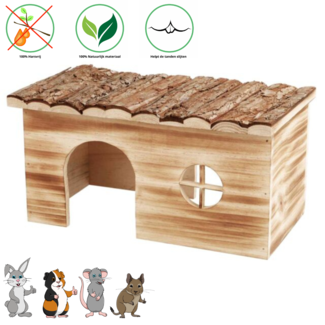
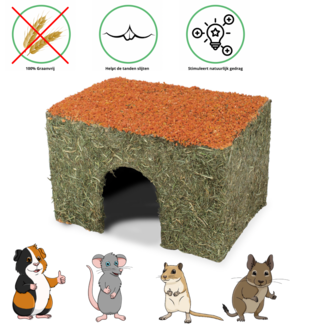
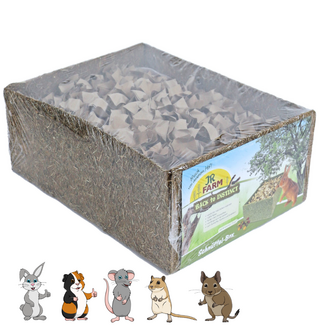
Under Hideouts you will find wooden hideouts made of bark wood and flamed wood, such as the Grete house and the Ineke house with two entrances, corner houses, hideouts with a built-in hay rack, edible hay houses from JR Farm, soft sleeping houses, plastic igloos and small shelters for the run. For an adult guinea pig, choose a hideout of about 30 cm long or more.
Tunnels
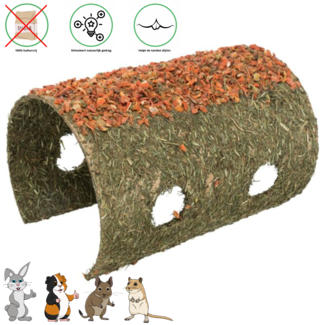
Under Tunnels you will find play tunnels with several exits, tunnels made of cork and willow, edible hay tunnels, soft relax tunnels, wooden bridges and the Metró tunnel system from Ferplast. For adult guinea pigs, a diameter of about 18 cm or more is the most comfortable.
Beds
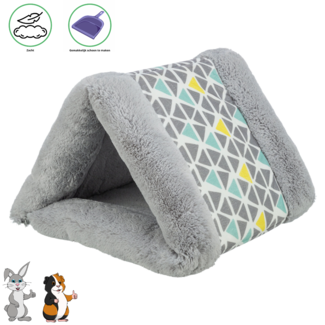
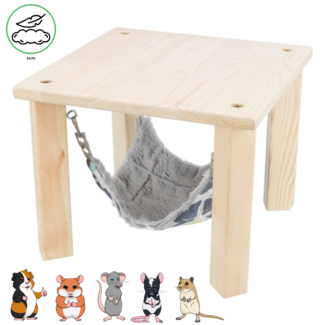
Under Beds you will find soft beds, relax cushions, plush sleeping houses, a tent and shelters with a hammock. A bed is an extra resting place alongside the wooden hideouts, especially nice for older guinea pigs and during colder periods.
Toys
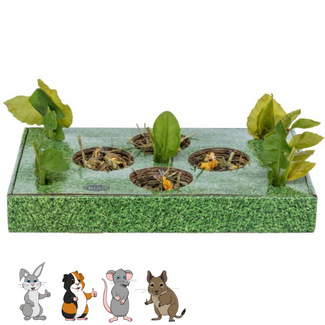
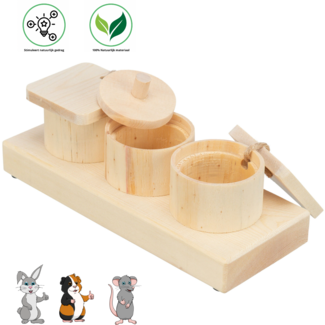
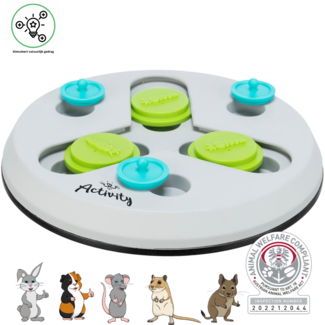
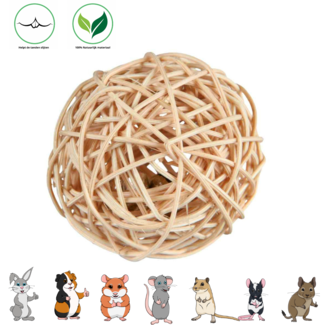
Under Toys you will find snuffle mats, snack games, vegetable holders, a feeding tree, balls made of grass, willow and hay, and chew toys made of wood, straw and paper. These toys match the way guinea pigs naturally keep themselves busy: searching for food and nibbling.
Hiding places: how many and where?
Guinea pigs should live at least in pairs. Every group has a pecking order, and even good companions sometimes want to be alone for a while. So the rule is: at least one hiding place per guinea pig, and preferably one extra. With two guinea pigs, that means three hiding places. They don't all have to be enclosed hideouts: a tunnel, a small shelter, a hay house or a soft bed counts too.
Spread the hiding places across the enclosure, so a dominant guinea pig cannot guard them all from one spot. Place them along the walls, because guinea pigs like to walk along an edge. Keep the middle of the enclosure free as walking space. Put hay by the entrances; guinea pigs prefer to eat close to a safe place.
Two exits prevent squabbles
A hideout with one entrance can become a trap: if another guinea pig sits in front of the opening, the guinea pig inside has nowhere to go. That causes stress and sometimes fights. A hideout with two entrances or a tunnel always has a way out. For a group, these are therefore the best hiding places. If you also use hideouts with one opening, position them so the entrance is free and not in a corner or against a wall.
A safe route through the enclosure
With tunnels and hideouts you create a route along the walls, from the hiding places to the hay rack, the food bowl and the water bottle. Shy and new guinea pigs will then dare to eat sooner, because they don't have to cross open space. It works the same way in a run. A large, empty run feels unsafe to a guinea pig; with a few tunnels and hideouts it becomes a playground.
Enrichment that suits guinea pigs
Guinea pigs don't play like dogs or cats. They search, sniff, nibble and explore. Good enrichment builds on that. Hide vegetables in a snuffle mat, hang some bell pepper in a vegetable holder or fill a willow ball with hay and a pinch of herbs. Use vegetables, hay and herbs rather than sweet snacks: snacks are an extra and should only be a small part of the menu.
Change accessories now and then, but not all at once. Guinea pigs like a fixed layout. One new element every week or two encourages them to explore, while the rest stays familiar.
New, young and older guinea pigs
A new guinea pig above all needs plenty of hiding places. In the first few days it hides a lot; put hay, food and water close to the hideouts, so it doesn't have to cross open space. When introducing guinea pigs to each other, extra hideouts and tunnels with two exits are also important, so nobody gets trapped. Young guinea pigs are curious and often use toys and tunnels straight away. Older guinea pigs lie down more; for them, a soft, low resting place close to the hay is nice, along with toys they can use without much effort.
Accessories in the run
The same rules apply in a run as in the cage, only the space is bigger and more open. So add extra hiding places, such as a shelter, a tunnel and a few hideouts along the edges. Outdoors, preferably choose wooden hideouts and shelters that can cope with a shower, and make sure there is always a shady spot. Keep soft beds and fabric tunnels dry outdoors or leave them indoors; wet textiles dry poorly and quickly get dirty.
Materials and safety
Guinea pigs nibble at everything. Their teeth keep growing throughout their life, and gnawing on untreated wood, cork, willow and hay keeps them busy. Hay does remain the most important thing for wearing down the front and cheek teeth. Accessories made of natural materials may therefore be gnawed; replace them if sharp edges, splinters or loose pieces appear. Check soft products for loose threads and chewed fabric. Plastic toys are not meant for gnawing on; remove them if your guinea pig gnaws pieces off.
Keeping things clean
Guinea pigs also pee in and around their hiding places. Once a week, take hideouts and tunnels out of the enclosure, shake them out and wipe them clean. Don't get wooden and cork items too wet, and let them dry thoroughly. Wash soft beds and tunnels regularly; with two of each you always have a clean one in the enclosure. Replace edible hay houses and hay tunnels when they are wet, dirty or eaten.
Useful combinations
Accessories complete an enclosure, together with:
- Indoor cages: a spacious enclosure with enough floor space for all the hiding places.
- Runs: extra space, with hideouts and tunnels there too.
- Hay: Zooply hay by every hiding place.
- Dried herbs: Zooply herbs to hide in toys and tunnels.
- Bedding: a dry, absorbent layer under all the accessories.
Frequently asked questions about accessories for guinea pigs
What are the most important accessories for guinea pigs?
Hiding places come first: at least one hideout or tunnel per guinea pig, preferably with two exits. Next come a soft resting place and some enrichment for foraging and nibbling. Start with a few good wooden hideouts and a tunnel, and add to that later.
My guinea pigs hide all day. Am I doing something wrong?
New guinea pigs hide a lot in the first few days; that is normal. Give them time and put hay and vegetables close to the hiding places. If after a few weeks they still stay inside almost all the time, check whether there are enough hiding places with two exits and whether one guinea pig is being chased away. If a guinea pig is not eating or is losing weight, go to a vet with guinea pig experience.
Are guinea pigs allowed to gnaw on their hideout or tunnel?
Yes, with untreated wood, cork, willow and hay that is exactly the idea. Replace the accessory if sharp points or loose pieces appear. Plastic and fabric are not meant for gnawing on.
How often should I change accessories?
Every week or two, change one or two things, for example moving a tunnel to a different spot or adding a new toy. Don't change everything at once; guinea pigs like a fixed layout.
Are soft beds and houses hygienic?
Yes, if you wash them regularly. Guinea pigs pee in them too. Shake them out daily, wash them at least weekly and keep a spare ready. Don't put them in the usual pee corner.
Which accessories should I put in a run?
Put at least one hiding place per guinea pig in a run, preferably a mix of hideouts, tunnels and a shelter. Put hay by the hiding places and set down a bowl of water. Outdoors, choose wood rather than fabric, and make sure there is always shade. A run without hiding places feels unsafe to guinea pigs, and then they hardly use the space.
Accessories for guinea pigs at Knaagplaza
At Knaagplaza, the webshop of 't Knaagplein, you will find hideouts, tunnels, beds and toys to set up an enclosure in which guinea pigs feel safe. Combine them with Zooply hay and Zooply herbs, our own premium brand that we use every day for our own guinea pigs. That way the enclosure becomes a place to shelter, rest and explore.